
Vanguard has released some preview numbers from its 2023 America Saves report, which covers the nearly 5 million 401k, 403b, and other retirement plans that Vanguard administrates. More stats in this CNBC article.
Even though the average balance dropped by 20% in 2022, there wasn’t widespread panic or account changes. In fact, nearly 40% increased their deferral rate:
While average account balances decreased by 20% in 2022, primarily driven by negative market performance, participant behaviors mostly remained positive. Nearly 4 in 10 participants increased their deferral rate (either on their own or as part of an automatic annual increase), in line with previous years.
[…] And against a challenging market environment with increased volatility, only 6% of nonadvised participants traded, the lowest point in 20 years.
The table below goes into more detail. 50% of people kept their deferral rate the same, 24% of people allowed the auto-escalate feature to kick in, 15% manually increased their deferral rate, and 11% either manually decreased their deferral rate or set it to zero.
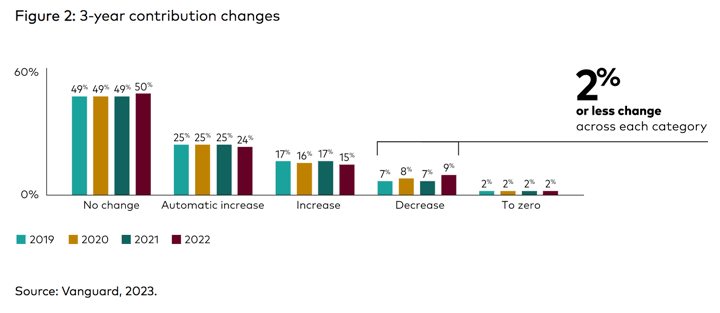
That means 89% of people kept their deferral rate the same or higher. 11% decreased. That 11% number is only a couple percentage points higher than in past years when the stock market went up.


 Here’s my 2022 Year-End income update for my


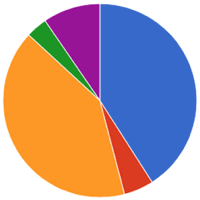 Here’s my quarterly update on my current investment holdings as of the end of 2022, including our 401k/403b/IRAs and taxable brokerage accounts but excluding real estate and side portfolio of self-directed investments. Following the concept of

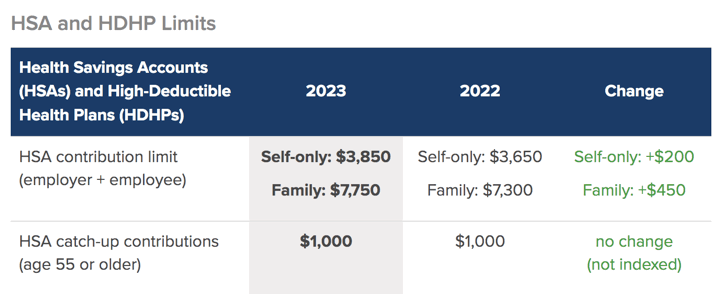
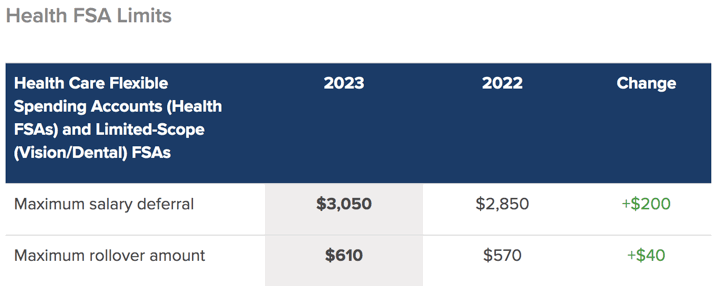
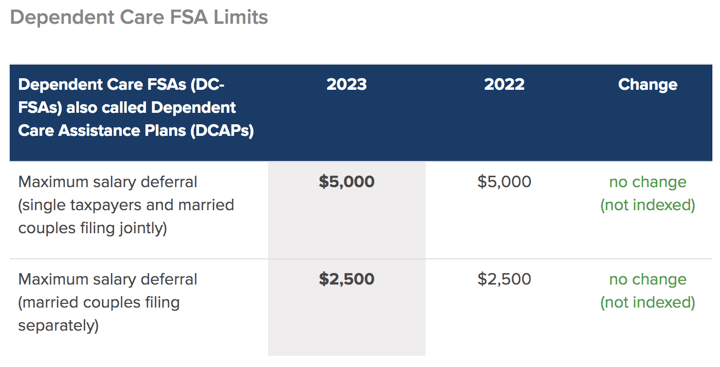
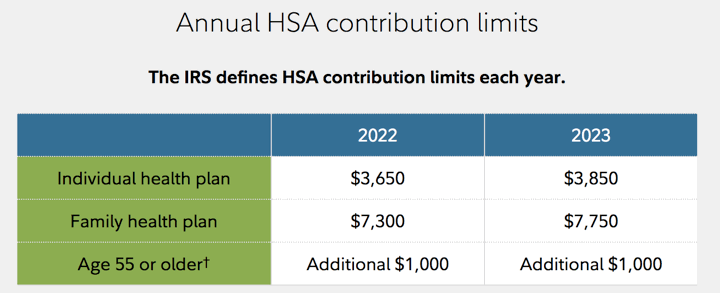
 The beginning of the year is also a good time to check on the new annual contribution limits for retirement and benefit accounts, many of which are indexed to inflation. Our income has been quite variable these last few years, so I regularly adjust our paycheck deferral percentages based on expected income for the year. I still try to max things out if I can, or at least stay on pace to do so. This


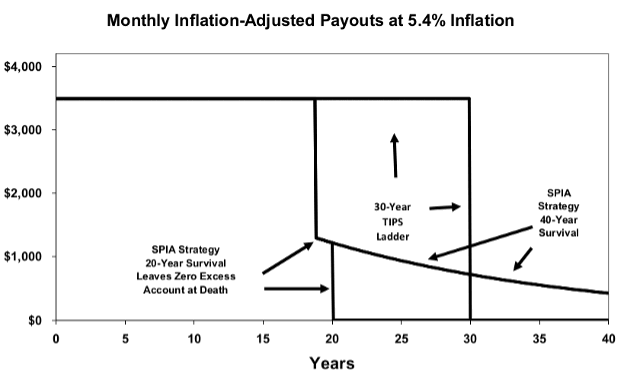


 Retirement income planning would be so much easier if you could buy a known amount of guaranteed lifetime income that automatically adjusted for inflation. However, the reality is that not a single insurance company in the entire world is willing to take on that long-term inflation risk. The only possibility left is to ladder inflation-linked bonds (TIPS) so that each year you would cash out some bonds and interest to create your own DIY inflation-adjusted income.
  The Best Credit Card Bonus Offers – 2026
 Big List of Free Stocks from Brokerage Apps
 Best Interest Rates on Cash - 2026
 Free Credit Scores x 3 + Free Credit Monitoring
 Best No Fee 0% APR Balance Transfer Offers
 Little-Known Cellular Data Plans That Can Save Big Money
 How To Haggle Your Cable or Direct TV Bill
 Big List of Free Consumer Data Reports (Credit, Rent, Work)